
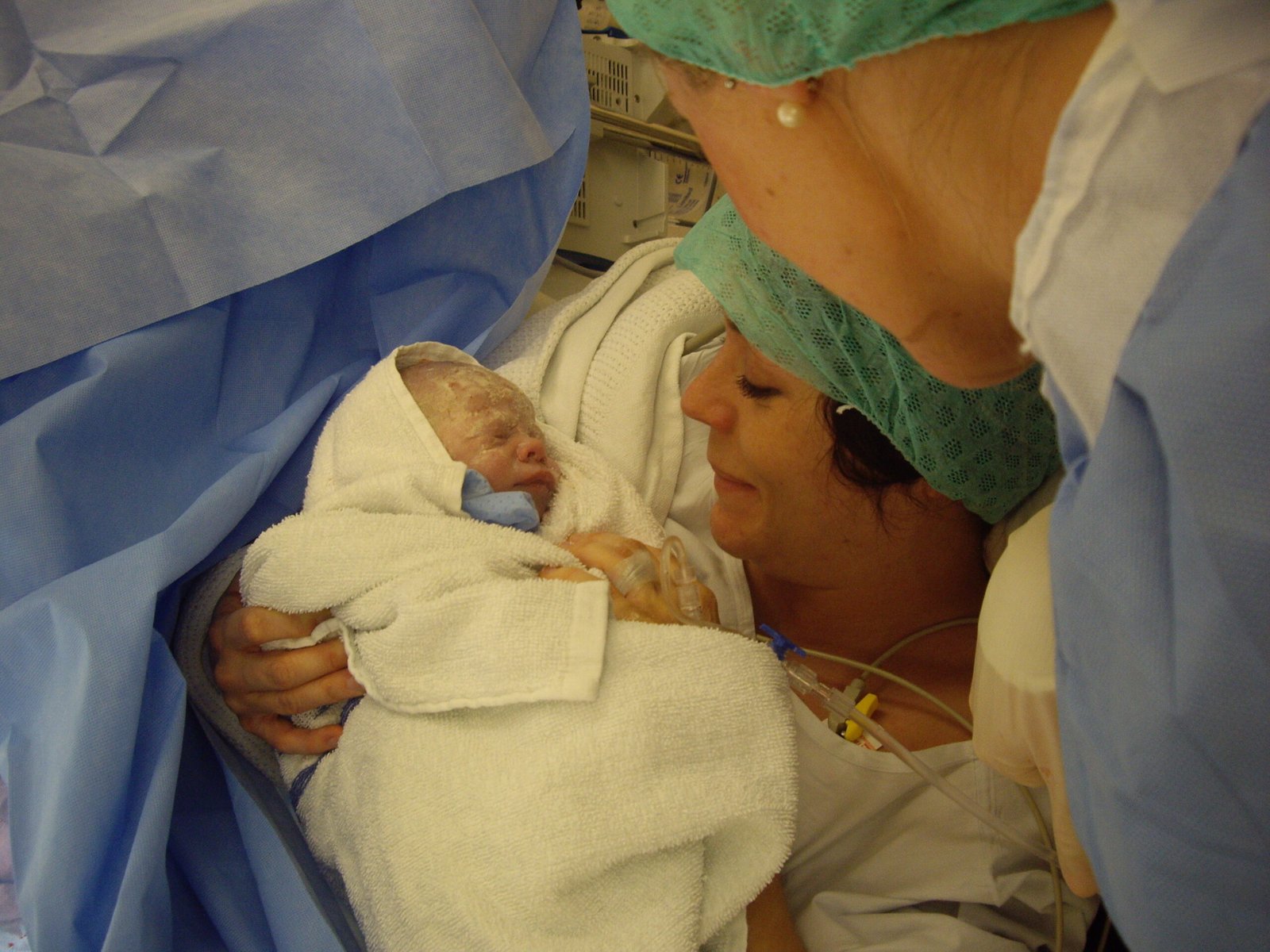
Caesarean Birth Is Birth: How to prepare, feel informed & empowered
Understanding Caesarean Birth: What You Need to Know
A Caesarean birth, or C-section, is a surgical way for a baby to be born when a vaginal birth isn’t the right option. An obstetrician performs surgery to help bring the baby into the world by making a cut is made in the lower abdomen, just above the bikini line. The surgeon then carefully moves through layers of tissue to reach the uterus, then an incision is made in the uterus, allowing the baby to be carefully lifted out.
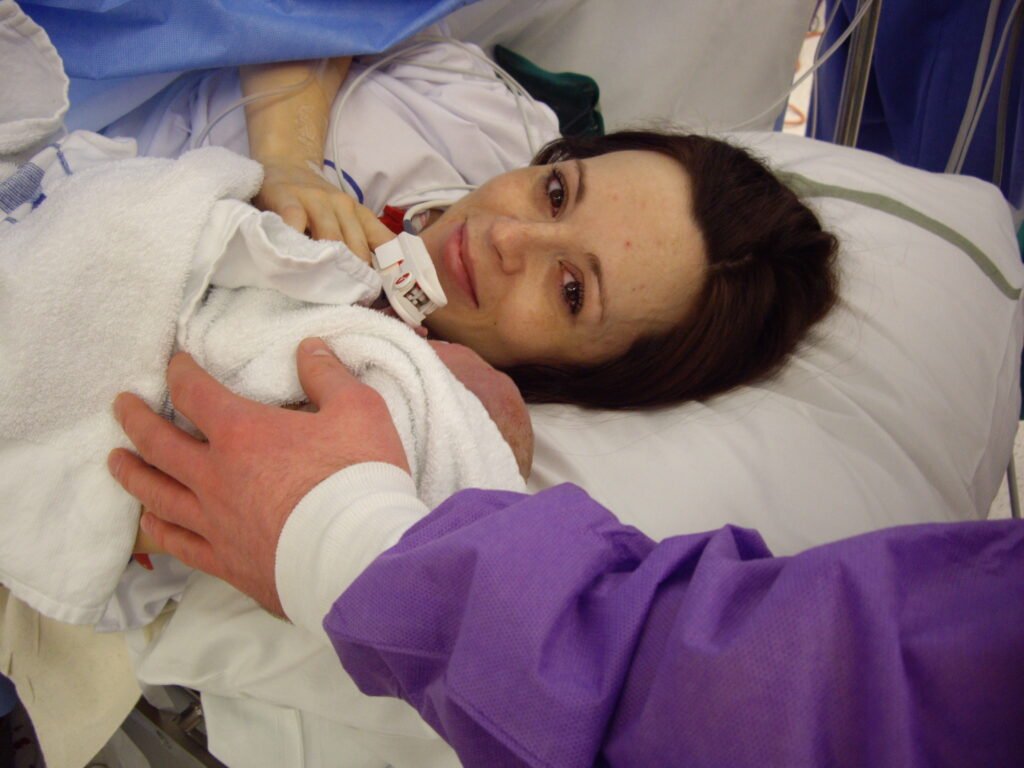
After the baby is born and the umbilical cord is cut, the doctor removes the placenta and stitches up both the uterus and the abdominal layers. The skin incision is then closed.
Though a C-section can be planned ahead of time in some cases, it can also happen if there are complications during labour. It’s considered major surgery, so recovery can take longer compared to a vaginal birth.
With the UK caesarean birth rate increasing, many more women and birthing people are giving birth by caesarean. The latest available statistics from NHS England – reported:
- 20% of births were elective caesareans
- 25% were emergency caesareans
That’s a total caesarean birth rate of 45%, compared with a 44% spontaneous vaginal birth rate.
With more women giving birth by caesarean than ever before, it’s essential that all parents-to-be are informed about caesarean birth—whether they are planning one or not.
Understanding the Rise in Caesarean Births
The reasons for the increasing caesarean rate are complex and often debated. However, focusing on the debate doesn’t always support those who actually experience a caesarean birth.
Birth is deeply personal, and so are the opinions surrounding it. Some people choose a caesarean for physical or psychological reasons, while others may find it difficult to accept unless it’s the only safe option. What’s important is that NICE guidelines support informed choice ( Recommendations | Intrapartum care | Guidance | NICE ) and emotional care – whatever the mode of birth.
Respect Caesarean Birth
Respect begins with language. Calling it a caesarean birth rather than a “section” or “delivery” acknowledges the emotional, physical, and psychological weight of the experience. According to the OUP (2025), the word birth means:
“The emergence of a baby or other young from the body of its mother; the start of life as a physically separate being.”
It does not specify how the baby is born. By this definition, all forms of birth—including caesarean—are equally valid.
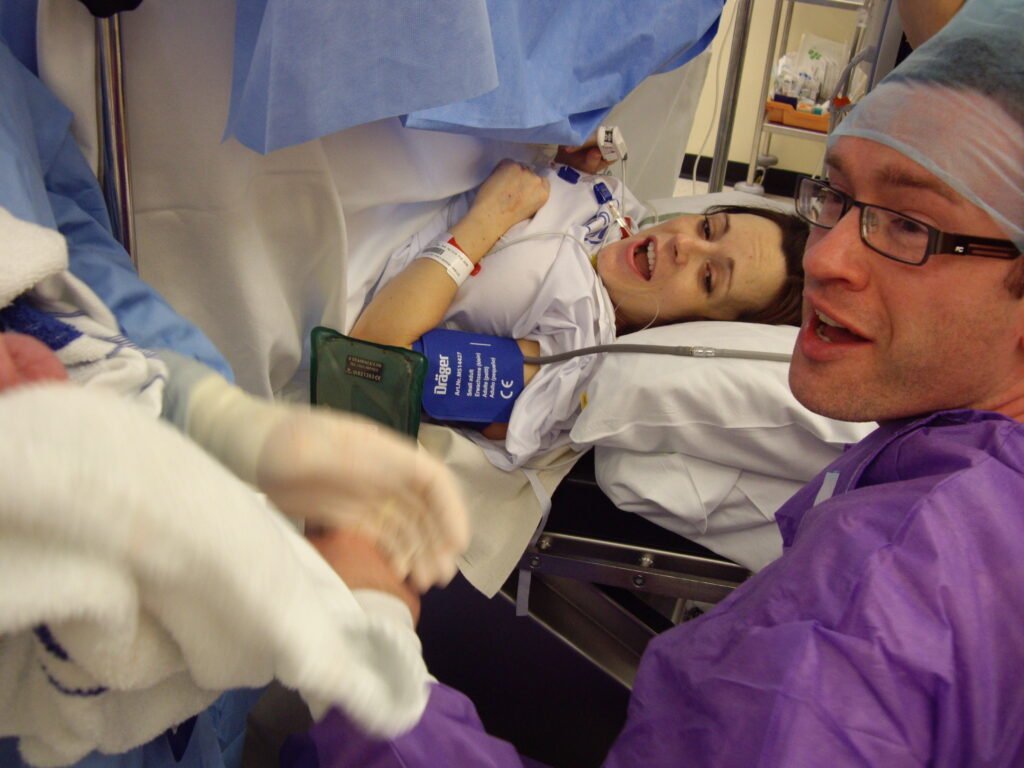
Acknowledging Fear
It’s normal to feel nervous about any birth, and especially one involving major surgery and anaesthetic. Understanding that fear is a normal part of the process helps reduce shame or anxiety. With knowledge, support, and tools like breathing techniques, relaxation, and mindset work, you can move through the experience with more confidence and calm.
Knowledge Is Power
The more you understand what to expect from a caesarean birth and recovery, the more empowered and prepared you’ll feel.
You can:
- Talk to your midwife
- Read books and trusted websites
- Take a comprehensive antenatal class
- Enrol in a caesarean birth course
To learn more about what happens during a caesarean, visit the NHS guide to caesarean birth.
Developing a Positive Mindset and Tools
Even if you’re feeling anxious, it’s possible to nurture a positive approach to caesarean birth. Try:
- Reading or listening to positive caesarean birth stories
- Using hypnobirthing or relaxation tracks focused on caesareans
- Practising breathing techniques to support calm during birth and recovery, and if your caesarean is unplanned you can adapt any breathing techniques you have learned for vaginal birth
Focus on Your Birth Options
If you are planning a caesarean birth you may feel like you have fewer choices, but there are still many decisions that can make your experience more personal and positive. Equally you may not be planning a caesarean birth, but would like to write down options in case have an unplanned caesarean.
Here are some options to consider and discuss with your care team:
- Anaesthetic type: Spinal vs. general, read more about these options at Labour Pains/OAA Caesarean birth advice and information – Labour Pains
- Level of information: Do you want lots of information and detailed updates, or prefer a calm atmosphere and focus on breathing techniques?
- Music or silence: Bring a playlist or request a quiet space.
- Lowering the curtain: ‘The curtain’ is a surgical drape which can be lowered if parents want to see their baby being born.
- Birth announcement: Decide who announces the time of birth or sex of your baby.
- Photographs: Ask if staff or your partner can take photos (where appropriate).
- Delayed cord clamping: This is often possible in caesareans too.
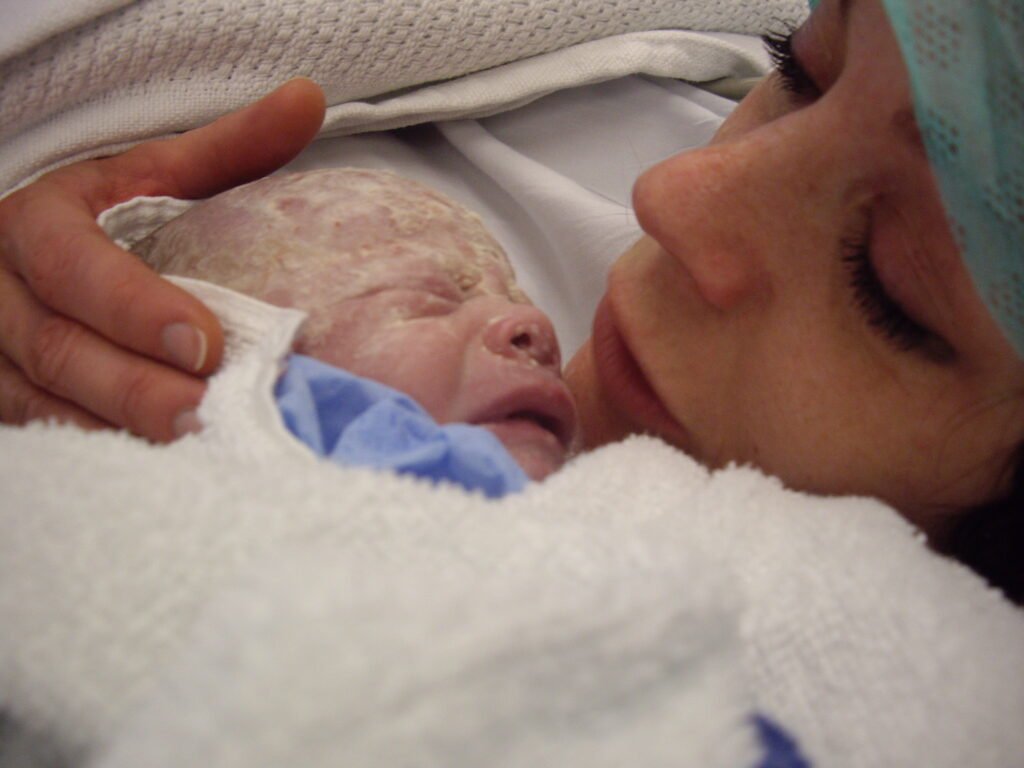
- Skin-to-skin contact: Usually possible in theatre and recovery.
- Feeding options: whatever method of feeding you choose, all options remain open.
Writing down your preferences in a birth plan helps the medical team support you with clarity and respect.
Recovery and Support After a Caesarean Birth
Recovering from a caesarean involves both physical healing and emotional processing. Remember:
- Ask for help—especially in the first few weeks.
- Rest and nourish your body with good nutrition and hydration.
- Use pain relief as prescribed.
- Follow recovery information given by your Doctor and Midwife, slowly returning to physical activity by taking gentle walks, and waiting for your 6-8 week check before undertaking any other activity.
- Talk it through if you’re feeling emotional, are struggling to recover from birth or finding it difficult to cope with new parenthood speak to your support network and health care professionals.
Your recovery journey is unique, and all your feelings are valid.
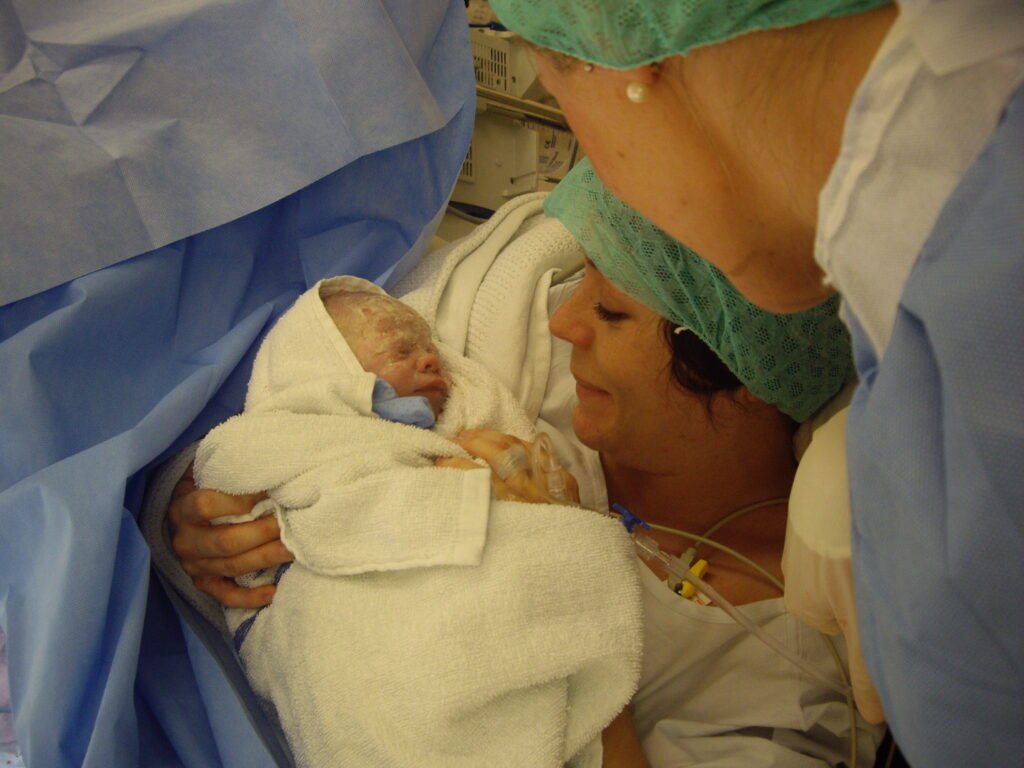
Caesarean Birth Is Birth
Whether planned or unexpected, a caesarean birth takes strength, bravery, and love. It is no less a birth than any other. Every parent deserves care, respect, and a sense of pride in how they brought their baby into the world.
